
— Rooted in Community. Driven by Care.
About
Project RHAM
An independent educational initiative connecting rural and underserved communities with healthcare knowledge, practical resources, and pathways to opportunity.
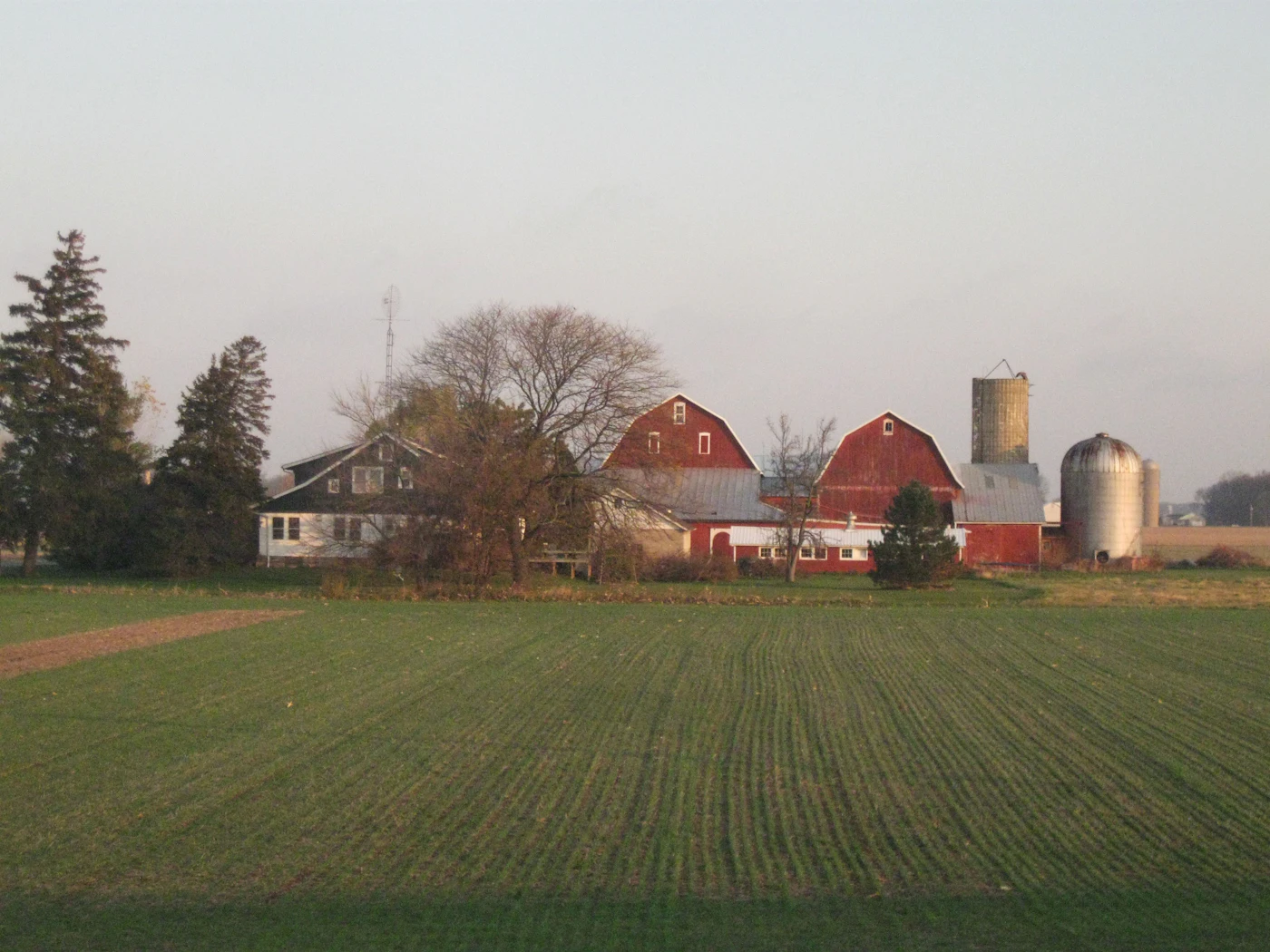
Rooted in community. Growing toward opportunity.
Our story
Started from a simple belief: where you live shouldn’t decide what you can learn about your health.
RHAM was created from a commitment to improving access to healthcare education, information, and professional opportunities for rural and underserved communities.
Rural residents often travel farther for care and have fewer nearby specialists, health educators, and mentors. Students from rural areas who are curious about healthcare careers may not know anyone working in the field. RHAM is an independent initiative in its early stages, building free, self-guided resources that anyone can use, wherever they are.
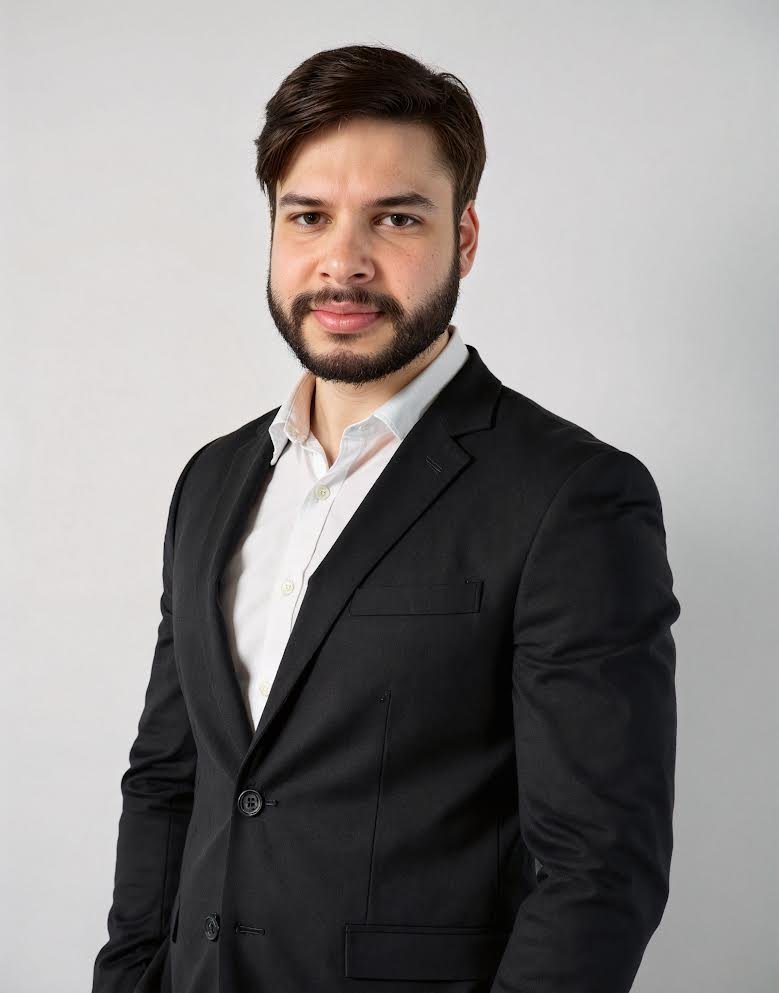
A Note From the Founder
Why I Started Project RHAM
I'm Amrit, founder of Project RHAM and a graduate of the University of Florida with a background in physiology, kinesiology, and healthcare research. Growing up in rural Ukraine shaped my understanding of how geography can influence access to healthcare, education, and opportunity. That experience inspired my belief that where someone lives should never determine the opportunities available to them.
I created Project RHAM to make reliable healthcare information, practical resources, and educational guidance more accessible to rural and underserved communities. Whether someone is navigating the healthcare system or exploring a future in healthcare, my goal is to help them take their next step with confidence. Project RHAM is just beginning, but its mission is simple: to ensure that geography never defines someone's potential.
“Where someone lives should never determine the opportunities available to them.”
What guides RHAM
Our mission, vision, and values

Our Mission
RHAM is dedicated to empowering rural and medically underserved communities through accessible health education, practical healthcare resources, and self-guided mentorship opportunities for aspiring healthcare professionals.
Our Vision
A future where geography does not limit access to healthcare knowledge, educational opportunities, or the ability to pursue a career in healthcare.
Our values
Health Equity
Everyone deserves trustworthy health information, wherever they live.
Community Empowerment
Communities know their needs best; good tools help them act on it.
Education
Clear, accurate learning is the foundation for better decisions.
Accessibility
Free, readable and usable on any device, without an account.
Advocacy
Raising awareness of rural health challenges and possible solutions.
Opportunity
Opening doors to healthcare careers for students from rural roots.
Compassion
Meeting people where they are, with care and respect.
Why rural health matters
The challenges are real, and well documented.
A short educational overview. Open any card for the full explanation and the public sources it draws on.
Rural healthcare workforce shortages
Many rural communities have fewer physicians, nurses, dentists, and behavioral health professionals than their populations need.
Read more and sources
The Health Resources and Services Administration (HRSA) identifies these gaps by designating Health Professional Shortage Areas for primary care, dental health, and mental health, and many rural areas carry these designations. Recruiting and retaining clinicians can be difficult because of professional isolation, training that is concentrated in cities, and the financial pressures facing small facilities. When there are too few professionals, residents may face longer waits or need to travel farther for care.
Sources: Bureau of Health Workforce, HRSA, Health Workforce Shortage Areas (opens in a new tab); Rural Health Information Hub, Rural Healthcare Workforce (opens in a new tab)
Geographic barriers to care
In rural areas, the nearest primary care office, pharmacy, or hospital may be many miles away, and specialty services are often concentrated in larger towns and cities.
Read more and sources
Long distances add time and cost to every visit, and weather or road conditions can make travel harder during parts of the year. For time-sensitive situations such as strokes, serious injuries, or complications during pregnancy, distance to appropriate care can be especially important. Geography also affects how often people can return for follow-up visits and ongoing treatment.
Sources: Rural Health Information Hub, Healthcare Access in Rural Communities (opens in a new tab); Centers for Disease Control and Prevention (CDC), Rural Health (opens in a new tab)
Transportation challenges
Getting to an appointment requires a way to get there. Public transit is limited or unavailable in many rural communities, and households without a reliable vehicle, older adults who no longer drive, and people with disabilities may struggle to reach care.
Read more and sources
Missed or delayed appointments can follow. The Rural Health Information Hub describes transportation as a recurring barrier to rural healthcare and highlights community responses such as volunteer driver programs, coordinated transit services, and Medicaid non-emergency medical transportation for eligible enrollees.
Source: Rural Health Information Hub, Transportation to Support Rural Healthcare (opens in a new tab)
Access to preventive care
Preventive services such as checkups, screenings, and vaccinations help find and prevent health problems early.
Read more and sources
When care is far away, hard to schedule, or costly, people may postpone these visits. The CDC has reported that rural residents experience higher rates of several leading causes of death than urban residents, and it notes that limited access to healthcare is among the contributing factors, along with economic and environmental conditions. Community health centers, Rural Health Clinics, and local health departments are among the places that offer preventive services in rural areas.
Sources: Centers for Disease Control and Prevention (CDC), Rural Health (opens in a new tab); Health Resources and Services Administration (HRSA), Find a Health Center (opens in a new tab)
Healthcare education disparities
Most health professions education and training takes place in larger cities and academic medical centers.
Read more and sources
Rural health organizations note that people who grow up in rural areas are more likely to practice in rural areas later, yet rural students can face barriers to entering health careers, including distance from colleges and training programs, fewer advanced courses, and limited exposure to health professions. Pipeline programs, rural clinical rotations, and rural training tracks are among the approaches used to help close these gaps.
Sources: Rural Health Information Hub, Rural Healthcare Workforce (opens in a new tab); Health Resources and Services Administration (HRSA), Rural Health (opens in a new tab)
Limited professional mentorship opportunities
Mentorship, job shadowing, and early exposure to health professions can help students understand career options and the steps required to reach them.
Read more and sources
In rural communities, where there may be fewer healthcare professionals and facilities nearby, these opportunities can be harder to find. Rural health workforce resources describe mentoring and career exploration as common elements of pipeline programs that aim to interest students in health careers. Expanding access to guidance and role models is one of several ways communities seek to support future rural health professionals.
Source: Rural Health Information Hub, Rural Healthcare Workforce (opens in a new tab)


Our approach
Educate. Empower. Advocate.
Educate
Make reliable healthcare information accessible.
Empower
Help individuals navigate educational and healthcare opportunities.
Advocate
Increase awareness of rural health challenges and potential solutions.
Find your next step.
Free health guides, career roadmaps, and ways to help, all in one place.
