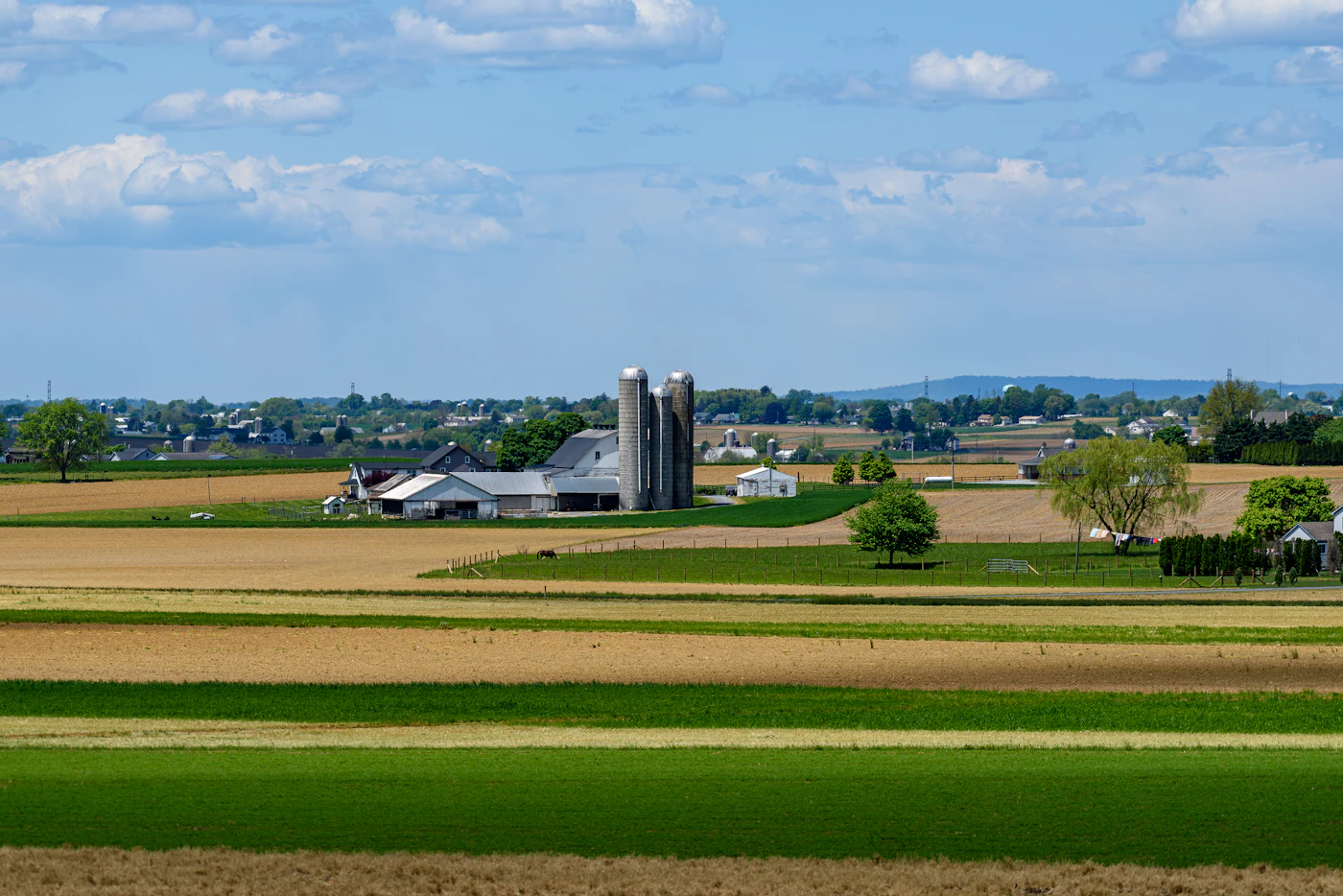
A clinic is only as available as the people who staff it. Across the United States, many communities, especially rural ones, have fewer physicians, nurses, dentists, pharmacists, and behavioral health professionals than their populations need. These gaps are often called healthcare workforce shortages, and they are one of the central challenges in rural health.
This article explains how shortages are identified, why they tend to persist in rural areas, and the main approaches that policymakers, educators, and health systems use to address them.
What is a workforce shortage?
In general terms, a workforce shortage exists when there are not enough qualified professionals to meet a population's need for care. Shortages can involve:
- Overall numbers — too few clinicians relative to the number of residents.
- Distribution — professionals concentrated in some areas, such as cities and suburbs, while others have few.
- Specialty mix — enough primary care clinicians but few specialists, or the reverse.
- Specific services — gaps in areas such as dental care, mental health, or obstetrics even when other services are available.
Rural communities can experience several of these at once. A county might have one or two primary care practices but no psychiatrist, no obstetric services, and limited dental care.
Health Professional Shortage Areas (HPSAs)
The federal government uses a formal designation to identify places with shortages. The Health Resources and Services Administration (HRSA), part of the U.S. Department of Health and Human Services, designates Health Professional Shortage Areas, commonly called HPSAs.
HPSA designations fall into three disciplines:
- Primary care
- Dental health
- Mental health
A HPSA can be a geographic area (such as a county or group of census tracts), a specific population group within an area (such as people with low incomes), or a particular facility (such as a federally qualified health center, a correctional facility, or certain other sites that serve people in need).
According to HRSA, designations are based on factors such as the ratio of providers to population and indicators of need. Each HPSA receives a score, and higher scores indicate greater need. These scores are used in deciding where certain federal resources, including clinicians participating in the National Health Service Corps, may be placed.
HRSA also designates Medically Underserved Areas and Populations (MUA/Ps), which focus more broadly on a lack of access to primary care services. Anyone can look up shortage designations through HRSA's online data tools.
HPSAs exist in both rural and urban settings. Shortages are not only a rural issue; some urban neighborhoods also have limited access to clinicians. However, many rural areas are designated, reflecting the particular challenges of recruiting and keeping professionals in less populated places.
Why rural shortages persist
Workforce shortages in rural areas have several overlapping causes. The Rural Health Information Hub describes many of them, including:
- Training location. Most health professions education, and much of residency training for physicians, takes place in larger cities and academic medical centers. Clinicians often build professional and personal ties near where they train.
- Background and familiarity. Research summarized by rural health organizations has found that people who grew up in rural areas are more likely to practice in rural areas later. Students from rural backgrounds can face their own barriers to entering health professions.
- Professional isolation. Rural clinicians may have fewer colleagues nearby, less access to specialists for consultation, and heavier on-call responsibilities.
- Financial factors. Educational debt, salary differences, and the financial health of rural facilities can all influence where professionals choose to work.
- Family and community considerations. Employment opportunities for spouses or partners, schools, and housing can play a role in whether a clinician relocates to or stays in a rural community.
- Aging workforce. In some places, a significant share of local clinicians are approaching retirement, raising questions about who will replace them.
Approaches to addressing shortages
There is no single solution to rural workforce shortages. Instead, a variety of approaches are used, often in combination. The descriptions below are general overviews of approaches discussed in rural health policy and practice, not recommendations of any particular program.
The National Health Service Corps
The National Health Service Corps (NHSC), administered by HRSA, offers scholarships and loan repayment to eligible primary care, dental, and behavioral health clinicians. In exchange, participants commit to working for a period of time at approved sites in Health Professional Shortage Areas. These sites include both rural and urban locations. Program details, eligibility, and service requirements are set by HRSA and can change over time, so the official NHSC website is the best source for current information.
Many states also operate their own loan repayment or incentive programs with similar goals.
Rural training tracks and rural residencies
Because clinicians often practice near where they train, some medical schools and residency programs offer rural-focused training. Rural training tracks are a type of residency in which physicians spend a substantial part of their training in rural communities. Other models include rural clinical rotations for medical, nursing, and other health professions students. HRSA has supported efforts to develop new rural residency programs.
Telehealth
Telehealth allows clinicians to provide some services remotely, using video, phone, or other technologies. In a workforce context, telehealth can help connect rural patients with specialists who are not available locally, and it can allow rural clinicians to consult with colleagues elsewhere. Telehealth does not replace the need for local, in-person care, and it depends on reliable internet access. The role of telehealth is discussed in more detail in a companion article.
Pipeline programs
Pipeline programs aim to interest and prepare students, often starting in middle school or high school, for careers in health professions. These may include health career camps, mentoring, job shadowing, and academic support. Some focus specifically on students from rural or underrepresented backgrounds, with the idea that students who come from a community may be more likely to return to serve it. Area Health Education Centers, supported in part by HRSA, are one example of organizations that offer pipeline activities in many states.
Team-based care and expanded roles
Some communities rely on a broad team of professionals, including nurse practitioners, physician assistants, community health workers, and pharmacists, to extend access to care. The specific services each profession can provide are governed by state laws and regulations, which vary.
Why this matters for future health professionals
For students considering health careers, understanding workforce shortages offers useful context. Shortage designations help explain where needs are greatest, and programs such as loan repayment, rural training, and pipeline initiatives describe some of the pathways that exist. Anyone interested in these options should review official program sources directly, since eligibility and requirements change.
Looking ahead
Healthcare workforce shortages are shaped by education, economics, geography, and policy. HRSA's shortage designations provide a common way to measure need, and a range of approaches, from service-based scholarships to rural residencies and pipeline programs, are used to respond. Ongoing research continues to examine which strategies are most effective in different communities, and the answers are likely to vary from place to place.
Sources and references
- Health Workforce Shortage Areas (opens in a new tab) — Bureau of Health Workforce, HRSA
- Shortage Areas (opens in a new tab) — HRSA Data Warehouse
- National Health Service Corps (opens in a new tab) — Health Resources and Services Administration (HRSA)
- Rural Healthcare Workforce (opens in a new tab) — Rural Health Information Hub
- Telehealth and Health Information Technology in Rural Healthcare (opens in a new tab) — Rural Health Information Hub
- Rural Health (opens in a new tab) — Health Resources and Services Administration (HRSA)