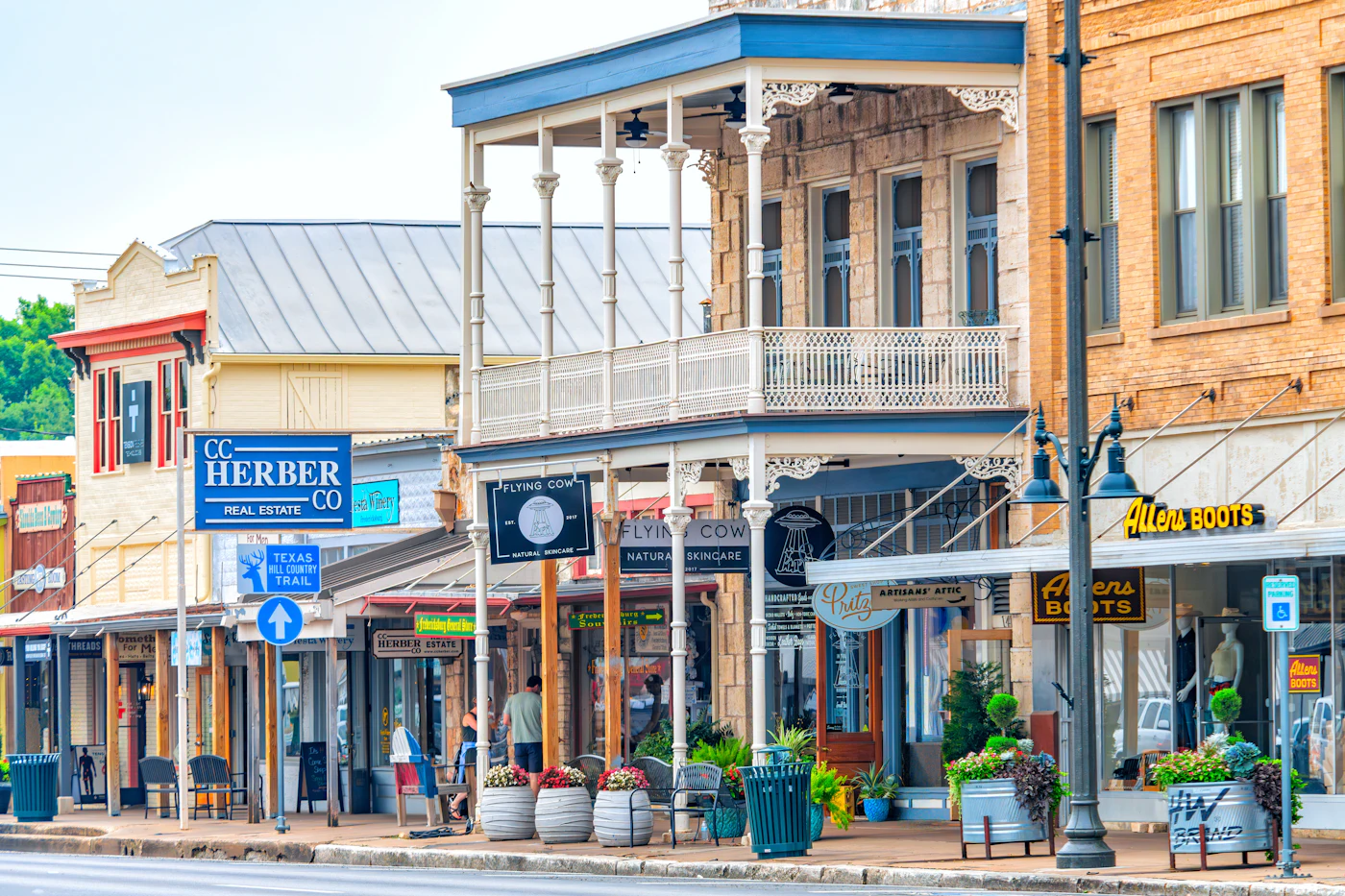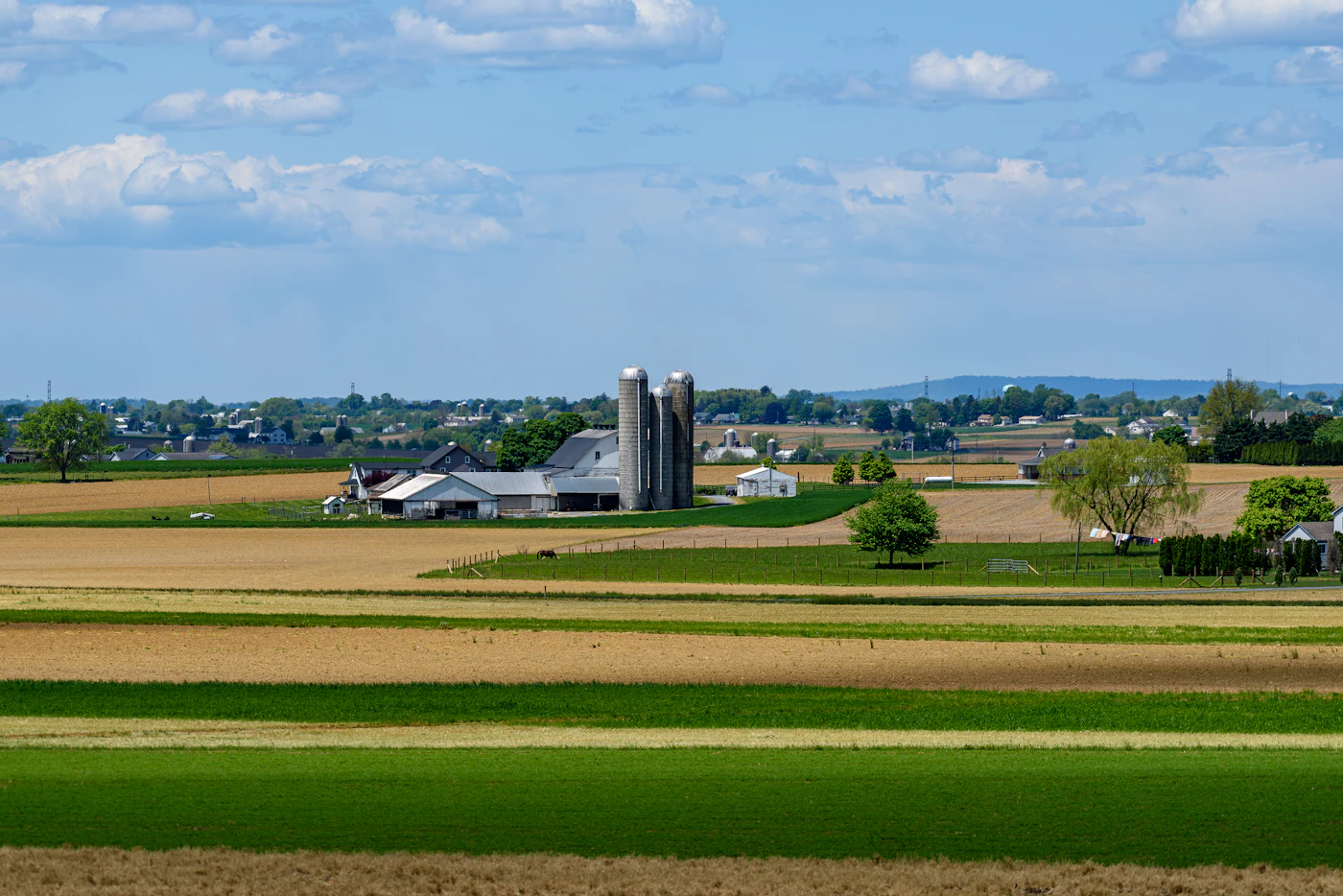
Rural America is often described in terms of its landscapes: farmland, forests, mountains, and small towns spread across wide distances. Less visible is the question of how people who live in those places get the healthcare they need. According to the U.S. Census Bureau, about one in five people in the United States lived in rural areas at the time of the 2020 Census. For those residents, the ability to see a clinician, fill a prescription, or reach an emergency room can depend on factors that people in cities rarely have to consider.
This article explains what "healthcare access" means, why it can look different in rural communities, and why it matters for individuals, families, and the places they live.
What "access" actually means
Healthcare access is more than whether a hospital or clinic exists somewhere in a region. Public health researchers and agencies generally describe access as a combination of several related conditions:
- Availability — whether there are enough clinicians, facilities, and services in a reasonable distance.
- Reachability — whether people can physically get to care, which depends on distance, roads, weather, and transportation.
- Affordability — whether people can pay for care, including insurance coverage, out-of-pocket costs, and time away from work.
- Acceptability and fit — whether services are offered at times, in languages, and in ways that meet people's needs.
A community can have strength in one area and gaps in another. A town might have a clinic, for example, but if that clinic has long wait times for appointments, or if it does not offer specialty or behavioral health services, residents may still face real barriers.
Why rural settings are different
Defining "rural"
There is no single federal definition of "rural." The Census Bureau classifies areas based on population density and housing, while other agencies, including HRSA's Federal Office of Rural Health Policy, use different approaches for different programs. As the Rural Health Information Hub explains, these definitions can produce different answers about whether a given place counts as rural. This matters because eligibility for some programs and funding depends on which definition is used.
Distance and geography
In many rural areas, the nearest primary care office, pharmacy, or hospital may be a long drive away. Specialty care, such as cardiology, oncology, or obstetrics, is often concentrated in larger towns and cities. Travel time adds up quickly for people who need ongoing treatment, and it can be harder to manage for older adults, people with disabilities, or anyone without reliable transportation. Weather and road conditions can make distances even more significant during parts of the year.
Transportation
Public transit is limited or absent in many rural communities. Residents who do not drive, or who share a single vehicle within a household, may find it difficult to keep appointments. The Rural Health Information Hub describes transportation as a recurring barrier to rural healthcare and notes a range of community approaches, such as volunteer driver programs and coordinated transit services, that some areas use to help.
Workforce and facilities
Many rural areas have fewer healthcare professionals per resident than urban areas, and recruiting and retaining clinicians can be challenging. Some rural hospitals have closed or reduced services in recent years, which can lengthen travel times for emergency and inpatient care. Workforce shortages are explored in more detail in a companion article in this series.
Insurance and costs
Rural residents may be more likely to work in agriculture, small businesses, or self-employment, where employer-sponsored insurance is not always available. Even with coverage, costs such as deductibles, fuel, and lost wages for travel can affect whether someone seeks care.
Why access matters for health
Federal agencies, including the CDC, have documented that people living in rural areas experience higher rates of several serious health outcomes compared with people in urban areas. The reasons are complex and include economic, environmental, and behavioral factors as well as healthcare access. However, access plays a meaningful role in several ways.
Prevention and early detection
Routine checkups, screenings, and vaccinations help identify and prevent health problems before they become serious. When care is far away or hard to schedule, people may delay or skip these visits. Delayed care can mean that conditions such as high blood pressure, diabetes, or certain cancers are found at later stages, when they may be harder to treat.
Managing chronic conditions
Ongoing conditions often require regular follow-up, medication adjustments, and coordination among several providers. Each additional trip or appointment can be a larger burden in a rural setting, which can make consistent management more difficult.
Emergencies and time-sensitive care
For emergencies such as heart attacks, strokes, serious injuries, or complications during pregnancy, the time it takes to reach appropriate care can be important. Longer distances to emergency services are one of the reasons rural hospital closures and service reductions draw attention from health policy researchers.
Behavioral health
Mental health and substance use services are often among the hardest to find in rural areas. Limited local options, long waits, and concerns about privacy in small communities may all affect whether people seek support.
Access and community well-being
Healthcare access also connects to the broader health of rural communities. Local hospitals and clinics are often significant employers, and the presence of healthcare services can affect whether families and businesses choose to stay in or move to a region. When services decline, the effects can extend beyond healthcare itself.
At the same time, rural communities have long histories of adapting to their circumstances. Approaches such as Rural Health Clinics, Critical Access Hospitals, federally qualified health centers, community health workers, mobile services, and telehealth are all used in different places to help fill gaps. Each has strengths and limitations, and what works in one community may not fit another.
What individuals can do
For people living in rural areas, a few general steps may help when navigating care:
- Know your options. HRSA's Find a Health Center tool lists community health centers, many of which offer services on a sliding fee scale based on income.
- Ask about telehealth. Some providers offer video or phone visits for certain types of care, which may reduce travel.
- Plan ahead for transportation. Local health departments, Area Agencies on Aging, or community organizations may know about ride programs in your area.
- Keep records organized. When care is spread across several locations, keeping a list of medications, diagnoses, and providers can help with coordination.
These steps do not replace the guidance of a qualified healthcare professional, who can help determine what care is appropriate for a specific situation.
Looking ahead
Rural healthcare access is shaped by geography, economics, policy, and workforce, and there is no single solution. Understanding what access means and why it varies is a useful starting point for students, families, and community members who want to take part in conversations about the future of rural health. The other articles in this series look more closely at healthcare workforce shortages and the role of telehealth in rural communities.
Sources and references
- Nation’s Urban and Rural Populations Shift Following 2020 Census (opens in a new tab) — U.S. Census Bureau
- What is Rural? (opens in a new tab) — Rural Health Information Hub
- Healthcare Access in Rural Communities (opens in a new tab) — Rural Health Information Hub
- Rural Health (opens in a new tab) — Centers for Disease Control and Prevention (CDC)
- Rural Health (opens in a new tab) — Health Resources and Services Administration (HRSA)
- Transportation to Support Rural Healthcare (opens in a new tab) — Rural Health Information Hub